



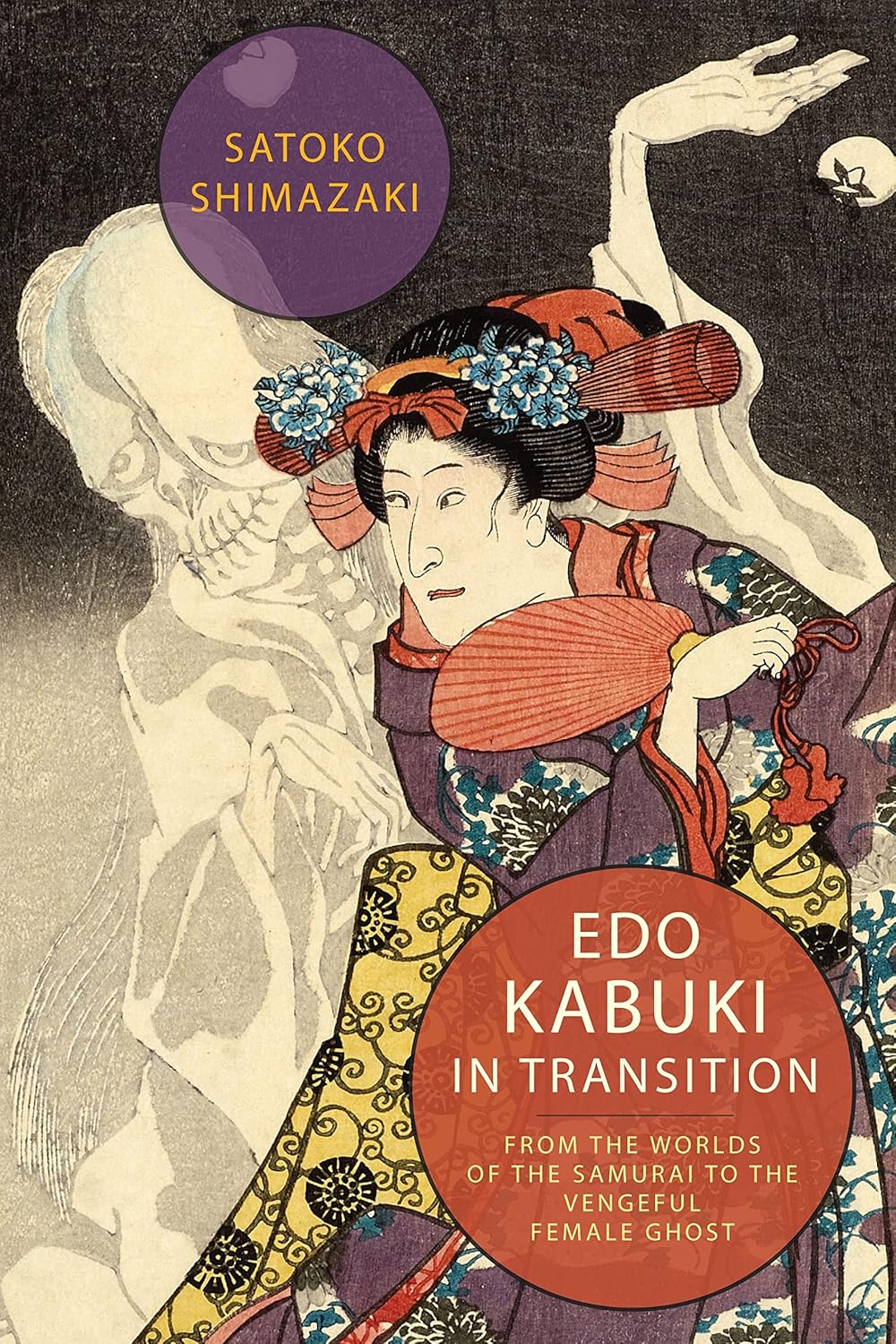
Edo Kabuki in Transition: From the Worlds of the Samurai to the Vengeful Female Ghost Paperback – March 24, 2020

 4.2 (77 items)
 Limited Time Sale
US$16.80 cheaper than the new price!!
Free cash-on-delivery fees for purchases over $99
Product details
| Management number | 227610950 | Release Date | 2026/05/09 | List Price | US$11.20 | Model Number | 227610950 | ||
|---|---|---|---|---|---|---|---|---|---|
| Category | |||||||||
Satoko Shimazaki revisits three centuries of kabuki theater, reframing it as a key player in the formation of an early modern urban identity in Edo Japan and exploring the process that resulted in its re-creation in Tokyo as a national theatrical tradition. Challenging the prevailing understanding of early modern kabuki as a subversive entertainment and a threat to shogunal authority, Shimazaki argues that kabuki instilled a sense of shared history in the inhabitants of Edo (present-day Tokyo) by invoking "worlds," or sekai, derived from earlier military tales, and overlaying them onto the present. She then analyzes the profound changes that took place in Edo kabuki toward the end of the early modern period, which witnessed the rise of a new type of character: the vengeful female ghost.Shimazaki's bold reinterpretation of the history of kabuki centers on the popular ghost play Tokaido Yotsuya kaidan (The Eastern Seaboard Highway Ghost Stories at Yotsuya, 1825) by Tsuruya Nanboku IV. Drawing not only on kabuki scripts but also on a wide range of other sources, from theatrical ephemera and popular fiction to medical and religious texts, she sheds light on the development of the ubiquitous trope of the vengeful female ghost and its illumination of new themes at a time when the samurai world was losing its relevance. She explores in detail the process by which nineteenth-century playwrights began dismantling the Edo tradition of "presenting the past" by abandoning their long-standing reliance on the sekai. She then reveals how, in the 1920s, a new generation of kabuki playwrights, critics, and scholars reinvented the form again, "textualizing" kabuki so that it could be pressed into service as a guarantor of national identity. Read more
| ISBN10 | 0231172273 |
|---|---|
| ISBN13 | 978-0231172271 |
| Edition | Reprint |
| Language | English |
| Publisher | Columbia University Press |
| Dimensions | 6 x 1 x 9 inches |
| Item Weight | 1.26 pounds |
| Print length | 392 pages |
| Publication date | March 24, 2020 |
Bestseller ranking
Equipment






Customers who viewed this product also viewed
Japanese


Correction of product information
If you notice any omissions or errors in the product information on this page, please use the correction request form below.
Correction Request Form